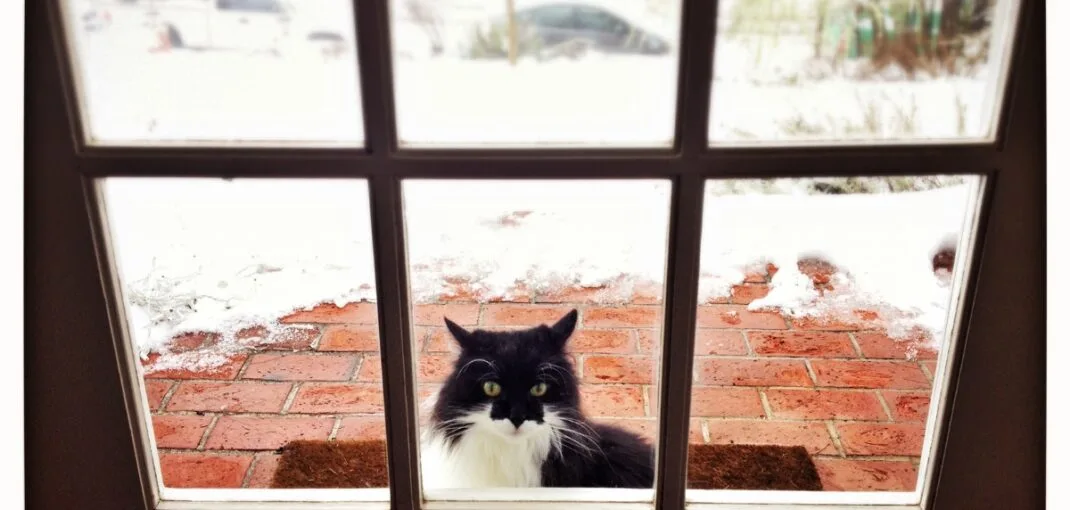
If you have a pet at your home, you have experienced constant demand from them for access to their outdoor kingdom. You have to get up repeatedly to open and close the door. By installing a pet door, you can make your life easier. As winter arrives, your pet randomly roaming around the house causes a cold air draft, which could increase electricity bills.
However, through effective insulation and winterization, you can keep your home energy efficient, ensuring your pet enjoys comfort. Let’s discuss the process:
What Makes Winterizing a Pet Door Essential?
In addition to keeping your house warm, winterizing your pet door also lowers heating expenses, minimizes heat loss, and guarantees your pet’s comfort throughout the colder season. This little but vital part of preparing the home for winter is often overlooked by many pet owners. You and your lovely pet may experience health problems if your home is exposed to cold air penetration due to a poorly insulated door.
How Pet Doors Allow Cold Air and Cause Heat Loss
While offering convenience, a pet door often creates gaps that let cold air enter your home. Over time, even high-quality doors lose their airtight seal or can develop cracks, which lead to heat loss. Keeping the worn-out door flaps in good shape and upgrading the seal can make the door much better at keeping out the cold. This helps you save on heating costs in winter.
DIY Steps to Insulate and Winterize Your Pet Door
If you have a limited budget, the DIY process is an effective way to insulate your pet door. This guide breaks down each step, making it easy even for beginners. Here it goes:
1. Inspect the Door and Frame
It’s essential to identify the problem areas before you start the insulation project. Follow these steps to thoroughly inspect your cat or dog door:
- Arrange Your Tools: You have to gather a screwdriver, a flashlight, and a piece of thin paper used in the process.
- Check for Gaps: Now, run the paper along the pet door frame corner while holding it lightly.
- Inspect the Flap: A damaged flap would not seal properly and allow cold air to enter your space. So, you have to check if the flap is worn or cracked.
- Check Screw Tightness: Check any loose screws which could create gaps between the frame and the door.
- Find out Structural Issues: Make sure the frame sits flat against the door or wall.
2. Apply Weatherstripping
It is one of the most effective and easy ways to create an airtight seal around your dog or cat door. Here’s how to perform it:
- Choose foam or rubber adhesive weatherstripping, which is easy to apply and available at most hardware stores in Houston.
- Wipe down the door frame and its surrounding area with a damp cloth to remove dust and dirt. Wait till it gets dry completely so that the adhesive sticks well.
- Use a measuring tape to calculate the length of the weather seal needed and cut it to size with scissors.
- Take off the adhesive and press the weather seal precisely around the pet door frame. Make sure it seals well without blocking the flap.
- Close the flap and check for drafts using the tissue paper test from the initial step.
3. Add Insulation
Adding insulation can significantly reduce heat loss and prevent cold air from entering your home. Here’s how to tackle this step:
1. Choose Insulating Material: You can select any insulating material, like foam board or reflective insulation tape, which are readily available at hardware stores.
2. Measure the Area: Determine the size of the surrounding wall or door panel as well as the pet door frame.
3. Cut the Insulation: If foam board is being used, use a utility knife to cut it to size. You can apply it directly to tape or spray foam.
4. Mount the Insulation: Attach foam board inside the door using adhesive, while applying reflective tape on the frame’s back to reduce heat loss.
5. Level and Trim: For a proper and clean finish, level away any bumps and cut any extra material when everything is in place.
6. Check It Out: To make sure the insulation doesn’t obstruct your pet’s access, open and close the flap.
Bottom Line
Upgrading to an energy-efficient pet door with insulation and winterization will lead to improving your home’s comfort, saving money on energy bills and keeping your dog or cat happy. If DIY solutions are not suitable for you, invest in a high-quality pet door insulation in Houston from Pet Independence. Get in touch with our team today and get the perfect insulation option for the pet door!