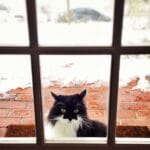
Like humans, pets also have to face some new challenges when they grow older. As the time passes by, you may observe that your furry friends who used to skip and chase around the house now spend most of their time sleeping. With age they grow slower, more wary, more scared, more tired, and more likely to get sick. Senior cats and dogs cannot play and jump like they used to before, often losing their balance and bumping into objects. Handicapped pets have it even harder, as they are already less agile to begin with.
With their vision and hearing worsening, old pets might feel like their freedom has been compromised. They can get aggressive with their owners and younger pets in the household, or become aloof and depressed. To make your elderly pet feel more at home, you will probably need to revamp the whole home environment. Give your pets the love, patience and independence they deserve.
How to Take Care of Senior Pets?
Senior cats and dogs are prone to getting sick and injured, and can have trouble reaching their food and water bowls. With the gradual loss of hearing and sight, they may not be able to use their old pet door like they used to, as their sense of direction is skewed. Most are not able to move around as much anymore and some even develop arthritis, which makes it even more painful. Reduced mobility and declining health means using the litter box also becomes difficult for them.
Keeping all of these in mind, here’s a few things you could do to support your elderly pets:
1. Visit the Vet for a Thorough Check-Up
The first and most important step would be to take your old pets for a vet-visit and get them checked properly. Consult your vet for their diet, grooming, medications and exercise to find out what would be particularly good for your beloved pal. If diagnosed with any medical complication, your pets will need a personalized care routine.
2. Raise Their Bowls to Sufficient Level
Place the food and water bowls just slightly lower than your pet’s eye-level so they can reach it with ease. Animals usually prefer a bit of distance between their feeding and drinking zones, so remember to place the bowls a little apart. But don’t keep either of them too far from their resting zone, aka, their bed.
3. Get More Comfortable Beds
Since old pets spend most of their time sleeping, you should get multiple pet beds and place those all around the house, scattered in every room. These will ensure they can have a place to lay down anytime they want. Also make sure that the beds are made of soft and comfortable materials to prevent bed sores. Try to keep a bed near every entrance to the house, like porch windows, pet doors, backyard sliding panes, etc.
4. Regulate the Indoor Temperature
Aging animals can no longer regulate their body temperature so quickly, getting cold or overheated very easily. If you don’t want your pets falling ill or needing an emergency vet visit, keep the house temperature regulated at all times. Outdoor temperatures can be extreme, and your pet would probably want to enjoy going out in harsh weather every once in a while; it cannot be helped. But you have better control over what happens indoors, so keep an eye on the thermostat.
5. Install a Pet Door for Outdoor Access
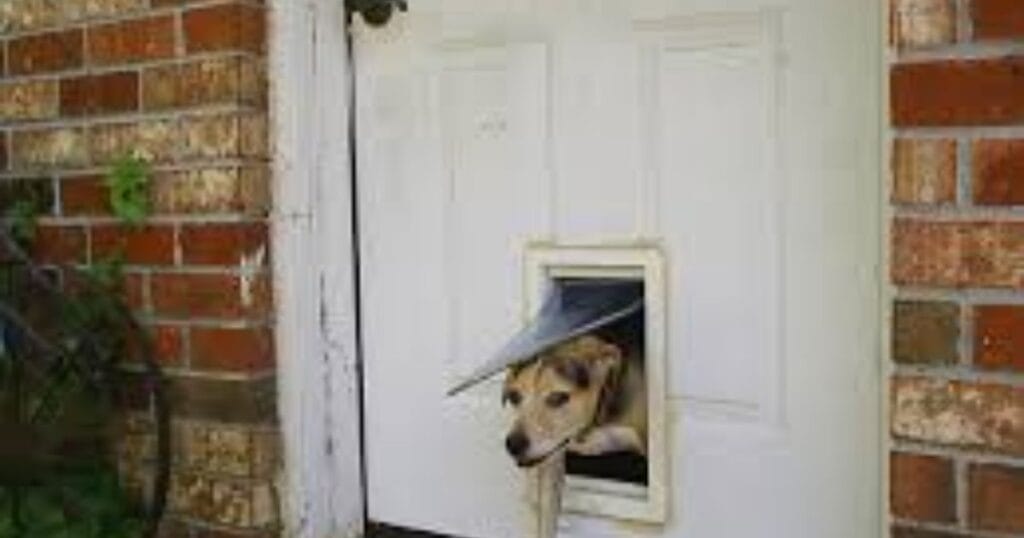
Jumping and maneuvering around obstacles become a troubling task for old pets. Your senior cat or dog may even get stuck or bump their head trying to go through their old pet doors. In such cases, you should replace it with a new, lighter flap or custom built one that they can use safely.
If you don’t have a pet door yet, it’s a good idea to finally get one installed. Hale pet doors are lighter than flaps and usually are a better choice for old pets. The doors should be visible and easy to open for your pet.
6. Build Your Pet a Ramp
To help with your pet’s mobility issues, you can choose to build ramps around the house for reaching elevated places. If you have more than one pet, a ramp walkway would help them stay out of each other’s path. This way, your older pets won’t feel much threatened by the younger ones and can choose to co-exist with them.
7. Modify the Litter Box
Joint pains and arthritis in elderly pets make it harder for them to use litter boxes that have higher edges or are too far to reach in time. If the litter sand is very coarse and tough to dig in, your pets may begin ignoring the litter box to relieve themselves somewhere else instead. Use lower-sided litter boxes with soft, absorbable litter sand and make sure your pet can easily reach the box when needed. If your pet still refuses to use the litter box, then give them the option to go outside to finish their business by getting a professional pet door installation.
8. Introduce Them to a Safe Play Space
Senior dogs and cats require sufficient exercise to stay fit and reduce bone decay. Roughhousing won’t be an option for them anymore, so you’ll need to gently introduce them to a safe space they can roam in, like a catio or a puppy playpen. Engage with your pets more using pet-toys, and go for brisk walks as a fun activity. It’s much better to let your old pets hunt, chase and play in your yard where you can observe them safely, without making them feel confined. If you have a good pet door, your elderly pets would be able to just run home inside whenever they sense any danger, without you having to worry.
Trying to avail the best pet door for your old furry pals? Pet Independence offers an array of dog and cat doors for you to choose— from strong Endura flaps to customizable Hale pet doors. Made from durable and insulating materials, you can find one for every size. Get clear, light-weight pet doors for your old pets.