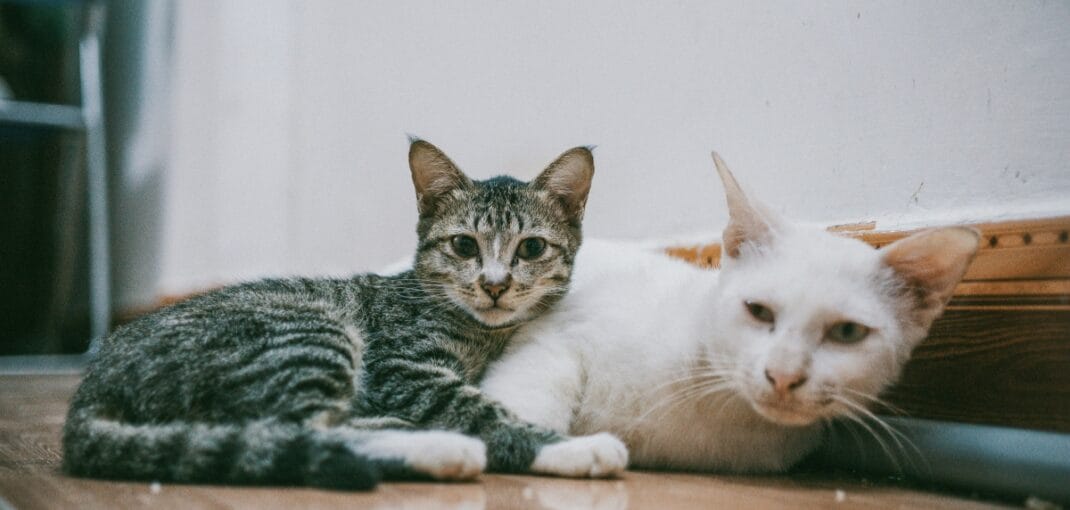
Felines are primarily solitary animals, be it wild or domesticated. They commonly prefer keeping to themselves and don’t like it when others try to intrude on their personal space. House cats are no different in that regard. But many felines, both big and small, can be a bit more social than usual, needing some form of contact. Most of them like being with their own kind, while some even hangout with others like dogs, rabbits, etc. irrespective of species.
If your pet cat shows signs of stress and loneliness, like overfeeding, excessive grooming, increased vocalization and separation anxiety, chances are they’re looking for someone to communicate with, like another cat. The constant yowling at the doors and the chirps directed at the stray cats on your windows are not meaningless, they are all signs your cat wants to socialize.
Signs Your Cat May Need a Companion
These are some of the signs you need to look out for if you’re wondering whether your cat needs a new companion:
1. Excessive Vocalization and Clinginess
Cats love their personal space, but at times can act very needy as well, like rubbing their face against your legs and asking to be pet. They also use meows and chirps to try conversing with humans. Though, too much clinginess and yowling are often signs of distress, and their way of telling the owners that something is wrong and a vet visit may be due. If the vet rules out immediate physical discomfort as the cause, then your cat may just be trying to reach out to other cats near the area.
2. Overfeeding and Overgrooming
Usually either eating too much or too less are signs of some serious medical condition that needs monitoring, and overgrooming to the point of hairfall and bald patches requires immediate medical attention. It’s better to get them checked out at the vet instead of assuming it’s something trivial, to make sure it’s just a behavioral issue and nothing too complex. If such actions are just stress responses, getting another cat for your feline friend may help with their anxiety.
3. Destructive Behavior and Litter-box Issues
All felines like exploration and playtime, scratching, biting and running amok to simulate hunting. Even the late-night zoomies after litter-box usage are normal and common traits for a healthy cat. But if scratching and hunting behavior persists even after all the rough-housing, along with behaviours like scent-marking the house despite no need to, the cat is highly likely to have developed anxiety issues.
If cats don’t get the option to release their pent-up energy in a healthy and safe way, they’ll find out ways to let it out in more unhealthy, destructive ways. Tearing clothes and papers, urinating outside litter-boxes, knocking over things, attacking the owners, and many such can be either signs of serious illness or misbehavior from a lack of playtime.
4. Weird Sleeping Habits and Lethargy
Cats sleep a lot, in fact they sleep for most of the time in a day to conserve their energy. But even then, there are moments of high-activity in-between the resting periods. If a cat is too lethargic, sleeps for too long, refuses to engage in their favorite activities and doesn’t even communicate with their owners, then they might be suffering from depression. Firstly, check in with your vet once to confirm there’s nothing physically wrong before seeking help for your cat’s mental health.
Helping Your Cat Overcome Loneliness
Apart from all these visible signs, there are some more subtle ones that can be observed. If unsure, consult with a veterinary psychologist, then look for ways to make your cat feel more comfortable.
Here are some of the things you could do to help your cat if they feel lonely:
- Spend More Time with Your Cat: If you’re not already spending enough time with your pet, try to get some more quality playtime together and use cat toys to stimulate their hunting senses. Also try speaking back softly to them when they try to get your attention or ask for pets, so they don’t feel ignored.
- Get a Pet-door to let Them Explore: Cats are curious by nature and love exploring their surroundings when there is no imminent danger. If you have a yard or patio which is protected and if your cat used to be an outdoor cat before, you can get a cat door installed to give your cat more freedom of access. Unless there are risks of a predator break-in, your cat can finally roam free in the larger space, going out and coming in as they please. They may even socialize with other cats in your area and feel safe to run home whenever they want.
- Get Another Pet as a Companion: If getting a pet-door is not possible or your indoor cat still feels lonely even after the access outside, getting another furry friend may be a good idea. Although be warned, not all cats will like opening up to another animal like a new cat or a dog, despite being lonely. You must take some serious precautions before introducing your pets to new ones. If they do accept each other, it will likely solve the problem.
Getting another pet as your cat’s companion, however, is not easy at all, with piling vet bills and more necessities to look after. Even if your cat befriends a stray neighborhood cat, it’s important to keep your cat company yourself.
Looking for a cat door installation service near you to let your cat reach you while basking in the sun on the catio? Pet Independence can help you find the best cat-doors for your little feline friend so that you can worry less.